

Files
Download Full Text (728 KB)
Description
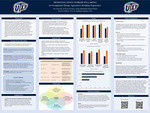
Office-based employees face an increased risk of musculoskeletal disorders (MSDs) due to prolonged sitting, repetitive computer use, static postures, and poorly designed workstations. These risk factors contribute to discomfort, fatigue, and diminished work performance. While ergonomic education and workstation modifications have proven effective, evidence on the long-term impact of occupational therapy-led interventions in office settings remains limited. In response, an evidence-based ergonomic program was developed using an occupational therapy framework to enhance awareness, habits, performance, and overall well-being. The program included individualized ergonomic workstation assessments, tailored recommendations, educational presentations, instructional videos, movement and stretching resources, and ongoing follow-up support. Administrative and clerical employees (n=17) from the YISD Special Education Central Office participated in the program. Office work was identified as the primary occupation, defined by the Occupational Therapy Practice Framework (OTPF-4) as activities required for engagement in paid employment or volunteer roles. The Person–Environment–Occupation–Performance (PEOP) Model provided the theoretical foundation for this capstone project. A comprehensive needs assessment was conducted through researcher-developed QuestionPro pre-surveys, workstation observations, employee questionnaires, informal interviews, environmental assessments, stakeholder discussions, and a literature review. The assessment revealed gaps in ergonomic knowledge, inconsistent workstation configurations, prolonged sitting, poor posture, musculoskeletal discomfort, and limited movement. Following the intervention, participants reported reduced work-related discomfort, increased awareness of workstation setup, improved posture, and more frequent movement breaks in their daily routines. This project highlights the value of applying occupational therapy (OT) frameworks in non-traditional environments such as office settings.
Publication Date
2026
Keywords
Ergonomics, education, well-being, occupation, participation
Disciplines
Occupational Therapy
Recommended Citation
Roberts, David D., "Promoting Office Worker Well-Being- An Occupational Therapy Approach to Workplace Ergonomics" (2026). OT Doctoral Capstones. 30.
https://scholarworks.utep.edu/otcapstones/30
Comments
Faculty Mentor: Dr. Capshaw
Capstone Site: Ysleta Independent School District Central Office- Special Education Department 9600 Sims Drive, El Paso, Texas 79925